Dacă ai pielea sensibilă, probabil te-ai resemnat cu ideea că bijuteriile frumoase pur și simplu nu sunt pentru tine. Poate ți s-a spus că „ai doar pielea sensibilă”, ca și cum acesta ar fi sfârșitul conversației. Dar iată adevărul: acele erupții cutanate, pete verzi și iritații nu sunt ceva cu care trebuie să trăiești. Nu ar trebui să alegi între a arăta așa cum îți dorești și a te simți confortabil în propria piele.
Bijuteriile placate cu aur de calitate pot fi ideale pentru pielea sensibilă - atunci când știi la ce să fii atent. În acest ghid, vom trece în revistă tot ce trebuie să înțelegi despre materiale, testare, cumpărături inteligente și crearea unei colecții care să ți se potrivească. Nu ești singură în această luptă și meriți cu siguranță bijuterii care să-ți iubească pielea.
De ce irită bijuteriile pielea sensibilă?
Înțelegerea adevăratului vinovat
Să lămurim un lucru: atunci când bijuteriile îți irită pielea, nu este pentru că ești prea sensibilă sau pentru că ești dificilă. Există dovezi științifice reale în spatele acestor reacții, iar principalul ticălos are un nume: nichelul.
Nichelul este un metal ieftin utilizat în mod obișnuit în aliajele pentru bijuterii și este, de asemenea, unul dintre cei mai comuni alergeni de contact din lume. Conform cercetărilor, aproximativ 10-20% din populația din Marea Britanie și Europa are un anumit grad de sensibilitate la nichel. Aceasta înseamnă milioane de oameni care au experimentat exact ceea ce trăiești tu - mâncărimea, roșeața și uneori chiar veziculele care apar în urma dermatitei de contact.
Iată ce se întâmplă de fapt: atunci când o placare de calitate inferioară se uzează (iar în cazul unei plăci subțiri și ieftine, acest lucru se întâmplă rapid), pielea intră în contact direct cu metalul de bază de dedesubt. Dacă acel metal de bază conține nichel sau alte aliaje problematice, sistemul imunitar îl percepe ca pe o amenințare și declanșează un răspuns inflamator. Aceasta este erupția cutanată, mâncărimea, disconfortul.
Merită să înțelegeți diferența dintre iritație și o reacție alergică adevărată. Iritația poate fi o roșeață temporară sau un ușor disconfort care dispare rapid. O reacție adevărată de dermatită de contact este răspunsul sistemului imunitar la un alergen - este mai persistentă, adesea provoacă mâncărime și se poate agrava odată cu expunerea continuă.
Cea mai dăunătoare concepție greșită? „Am pielea sensibilă, așa că bijuteriile nu sunt pentru mine.” Greșit. Ceea ce ai de fapt este o piele care reacționează normal la materialele problematice. Problema nu ești tu, ci bijuteriile.
Bijuteriile placate cu aur provoacă alergii?
Aceasta este una dintre cele mai frecvente întrebări, iar răspunsul scurt este: depinde în întregime de ce se află sub aur și de calitatea acelei placari.
Aurul pur în sine (24k) este hipoalergenic - nu provoacă reacții. Problemele apar din cauza metalelor de bază folosite de producători și a grosimii cu care aplică placarea cu aur. O piesă placată cu aur de calitate peste un metal de bază sigur? Perfect potrivită pentru pielea sensibilă. O piesă placată cu aur instant peste alamă care conține nichel? Aceasta este o reacție care așteaptă să se întâmple.
De aceea, întrebarea „bijuteriile placate cu aur provoacă alergii?” este, de fapt, cea greșită. Întrebarea mai potrivită este: „ce bijuterii placate cu aur sunt potrivite pentru pielea sensibilă?” Și exact asta vom explora.
Ce face ca bijuteriile placate cu aur să fie sigure pentru pielea sensibilă
Calitatea plăcii care contează
Gândește-te la bijuteriile placate cu aur de calitate ca la un sistem stratificat conceput pentru a ține metalele problematice departe de piele. Atunci când sunt făcute corect, nu sunt doar un strat decorativ - sunt o barieră protectoare.
Grosimea placajului este esențială. În industria bijuteriilor, placarea se măsoară în microni (un micron este o miime de milimetru). Placarea rapidă - materialul ieftin care se uzează în câteva săptămâni - poate avea o subțire de până la 0,1 până la 0,5 microni. Placarea cu aur de calitate, cea care vă va proteja pielea și va rezista, ar trebui să aibă o grosime de cel puțin 2,5 microni. Piesele premium au adesea o placare de 3 microni sau mai mult.
De ce este important acest lucru pentru pielea ta? Placarea mai groasă durează mai mult, ceea ce înseamnă că menține bariera protectoare dintre piele și metalul de bază timp de luni sau chiar ani, în funcție de modul în care o porți și o îngrijești. Placarea subțire poate arăta identică atunci când o cumperi, dar se defectează atunci când ai cea mai mare nevoie de ea - în timpul purtării zilnice.
Și considerațiile legate de carate contează. Placarea cu aur este de obicei disponibilă în variante de 14k sau 18k. Aurul cu o concentrație mai mare de karate (18k) înseamnă aur mai pur, cu mai puține metale aliate amestecate. Deși ambele variante pot fi aplicate în strat gros pentru pielea sensibilă, placarea cu aur de 18k oferă o doză suplimentară de puritate. Compromisul este că aurul de 18k este puțin mai moale, dar pentru placare, acest lucru este rareori o problemă.
Metodele de aplicare afectează calitatea și consistența. Galvanizarea corectă creează o legătură uniformă și durabilă între metalul de bază și stratul de aur. Aplicarea necorespunzătoare lasă pete subțiri, goluri sau o acoperire inconsistentă - exact acolo unde pielea va intra în contact mai întâi cu metalele problematice.
Iată unde devine cu adevărat interesant: straturile de barieră . Cei mai sofisticați producători folosesc ceea ce se numește tehnologie de barieră cu nichel - un strat de paladiu, cupru sau alt metal neutru aplicat între metalul de bază și placarea cu aur. Aceasta creează un sistem cu dublă barieră. Chiar dacă placarea cu aur se subțiază în cele din urmă în zonele cu frecare ridicată, stratul de barieră continuă să protejeze pielea.
Acum, despre cuvântul „hipoalergenic”. Din punct de vedere legal, nu există o reglementare strictă a acestui termen în bijuterii. Practic, ar trebui să însemne că piesa este fabricată fără alergeni comuni precum nichelul. Vânzătorii de calitate vă vor spune exact ce face bijuteriile lor hipoalergenice (metal de bază fără nichel, strat de barieră etc.), în loc să lipească pur și simplu eticheta și să spere că nu puneți întrebări.
Să fim sinceri în privința longevității: chiar și placarea de calitate se uzează în cele din urmă. Dar „în cele din urmă” este cuvântul cheie. Vorbim despre ani de uzură regulată, versus săptămâni. Și când știi la ce să fii atent (vom acoperi acest aspect în secțiunea de îngrijire), poți scoate piesele din uz înainte ca acestea să devină problematice.
Cele mai bune metale de bază pentru pielea sensibilă
Ceea ce se află sub placarea cu aur contează mai mult decât aproape orice altceva. Ai putea avea cea mai groasă și mai frumoasă placare din lume, dar dacă este peste o bază cu conținut ridicat de nichel, ai pierdut timpul.
Alegerile sigure
Oțelul inoxidabil de calitate chirurgicală (316L) este standardul de aur pentru pielea sensibilă și există un motiv pentru care este utilizat în implanturile medicale. Acest tip specific de oțel inoxidabil este incredibil de rezistent la coroziune și conține o cantitate minimă de nichel, care este blocat într-o structură stabilă a aliajului, ceea ce îl face incapabil să reacționeze cu pielea. Când vedeți oțelul inoxidabil 316L ca metal de bază, acesta este unul dintre cele mai bune semne că vă uitați la o piesă realizată special pentru pielea sensibilă.
Alama cu o barieră adecvată poate funcționa, dar aici calitatea variază foarte mult. Alama este un aliaj de cupru-zinc și, deși cuprul în sine nu este de obicei un alergen major, aliajele de alamă mai ieftine conțin adesea nichel. Alama de înaltă calitate utilizată de producătorii de renume va fi fără nichel și asociată cu stratul de barieră menționat anterior. Fără barieră? Chiar și alama fără nichel poate oxida și provoca decolorarea pielii (acele frumoase urme verzi).
Argintul sterling ca bază este o opțiune subestimată. Argintul pur este hipoalergenic, iar argintul sterling (92,5% argint, 7,5% alte metale, de obicei cupru) este în general bine tolerat de pielea sensibilă. Atunci când este folosit ca bază pentru placarea cu aur, oferă o compatibilitate excelentă cu pielea. Singura considerație este că argintul se poate păta, așa că placarea și îngrijirea corespunzătoare sunt esențiale.
Înțelegerea aliajelor
Iată ceva ce majoritatea oamenilor nu își dau seama: metalele cu adevărat pure sunt rareori folosite în bijuterii, deoarece sunt prea moi pentru purtarea zilnică. Chiar și aurul de 24k este impracticabil pentru majoritatea pieselor - s-ar îndoi și s-ar zgâria mult prea ușor. Acesta este motivul pentru care există aliajele: ele conferă metalelor rezistența și durabilitatea necesare pentru bijuteriile purtabile.
Producătorii de calitate creează aliaje sigure pentru piele, controlând cu atenție metalele pe care le combină și în ce proporții. Ei evită complet nichelul sau se asigură că este legat într-un mod care nu se va scurge. Producătorii ieftini... nu se obosesc cu nimic din toate acestea. Ei folosesc orice este cel mai ieftin, care aproape întotdeauna include nichel și alte metale problematice.
Ce trebuie evitat: orice bijuterie descrisă pur și simplu ca fiind „metal” sau „aliaj”, fără alte specificații. Metalele misterioase nu sunt niciodată prietene atunci când ai pielea sensibilă.
Referință rapidă: Sistem de semaforizare pentru materiale
Cum să identifici metalele de bază de calitate atunci când cumperi online
Când cumperi online, nu poți ține piesa în mână sau să o examinezi cu atenție. Aici descrierile produselor devin cel mai bun prieten al tău - sau sistemul tău de avertizare.
Un vânzător de calitate va preciza explicit compoziția metalului de bază. Ar trebui să vedeți expresii precum „bază din oțel inoxidabil 316L”, „alamă fără nichel” sau „miez din argint sterling”. Dacă descrierea se concentrează în întregime pe placarea cu aur fără a menționa ce se află dedesubt, acesta este un semnal de alarmă. Fie folosesc materiale ieftine pe care nu doresc să le promoveze, fie nu își înțeleg suficient de bine propriile produse pentru a ști că contează.
Descrieri vagi precum „metal de calitate premium” sau „aliaj durabil” fără detalii specifice? Pleacă. Pielea ta merită mai mult decât ingrediente misterioase.
Testarea bijuteriilor înainte de a cumpăra
Chiar și atunci când ai făcut toate cercetările și ai găsit piese din materiale sigure, reacțiile individuale variază. Ceea ce funcționează perfect pentru o persoană cu pielea sensibilă ar putea cauza probleme alteia. De aceea, testarea este crucială.
Protocolul dumneavoastră personal de testare
Metoda testului pe o porțiune mică de piele este prima ta linie de apărare. Înainte de a purta o piesă vestimentară nouă pentru o zi, testează-o pe o porțiune mică de piele. Partea interioară a încheieturii mâinii sau în spatele urechii funcționează bine - aceste zone sunt suficient de sensibile pentru a detecta reacții, dar ușor de monitorizat și acoperit, dacă este necesar.
Țineți bijuteria lipită de zona de testare timp de câteva minute, apoi fixați-o acolo, dacă este posibil (puteți folosi bandă medicală pentru cercei sau pandantive mici). Lăsați-o timp de minimum 24-48 de ore. Verificați periodic dacă există roșeață, mâncărime sau senzație de căldură. Dacă treceți 48 de ore fără nicio reacție, probabil că nu aveți probleme cu bijuteria respectivă.
Strategia de introducere treptată
Nu trece de la testare la purtare a cinci piese noi toată ziua. Începeți cu lucruri mici, atât în ceea ce privește bijuteriile, cât și timpul de purtare.
Cerceii și inelele simple sunt puncte de plecare ideale, deoarece au suprafețe mai mici de contact cu pielea. Colierele și brățările au mai mult contact cu pielea și se mișcă mai mult (creând frecare), așa că păstrează-le pentru odată ce ți-ai câștigat încrederea.
Progresează treptat timpul de purtare: începe cu două ore, apoi extinde la o jumătate de zi, apoi la o zi întreagă. Această abordare etapizată te ajută să detectezi orice reacții întârziate înainte de a purta piesa suficient de mult timp pentru a provoca iritații semnificative.
Recunoașterea timpurie a reacțiilor
Cum arată o reacție normală? Este posibil să observați roșeață exact în forma locului unde se afla bijuteria, mâncărime care persistă după îndepărtarea piesei, căldură sau o ușoară umflătură sau, în cazuri mai severe, mici umflături sau vezicule.
Momentul contează: unii oameni reacționează în câteva ore, în timp ce alții nu prezintă simptome timp de zile întregi. De aceea, perioada de testare de 24-48 de ore este atât de importantă și de aceea creșterea treptată a timpului de purtare vă ajută să identificați factorii de îngrijorare.
De asemenea, merită să se facă diferența între o reacție la bijuterii și iritația întâmplătoare. Dacă gâtul este iritat și te mănâncă în general (nu doar acolo unde era colierul), s-ar putea să aveți de-a face cu altceva - piele uscată, un nou detergent de rufe, noul parfum pe care l-ați încercat. Reacțiile la bijuterii sunt de obicei localizate în punctele de contact.
Ce trebuie făcut dacă apare iritație
Dacă totuși apare o reacție, scoateți bijuteriile imediat. Nu încercați să le purtați cu îndurare sau să sperați că se va ameliora - expunerea continuă nu va face decât să agraveze inflamația.
Curățați ușor zona afectată cu un săpun delicat și apă călduță. Evitați frecarea, deoarece poate irita și mai mult pielea inflamată. Dacă reacția este ușoară, aceasta ar trebui să se calmeze în decurs de o zi sau două de la îndepărtarea bijuteriilor. Pentru reacții mai persistente sau mai severe (umflături semnificative, apariție de vezicule, roșeață răspândită), contactați un medic.
Nu forța disconfortul sperând că pielea ta se va „obișnui”. Nu așa funcționează alergiile la metale. Dacă o piesă provoacă o reacție, înseamnă că nu este compatibilă cu chimia pielii tale, punct.
Păstrarea unui jurnal de bijuterii
Poate părea excesiv, dar dacă vrei cu adevărat să-ți creezi o colecție de bijuterii pe care să o porți, un jurnal simplu de bijuterii este neprețuit. Notează ce ai purtat, cât timp și orice reacții (chiar și cele minore).
În timp, apar tipare. Poate că ești mulțumită de bazele din oțel inoxidabil, dar reacționezi la alamă. Poate că poți purta cercei timp de 12 ore, dar trebuie să-ți dai jos colierele după 8 ore. Aceste date personalizate te fac un cumpărător mai informat și facilitează mult conversațiile despre retururi sau schimburi („Am testat trei piese de la marca dvs. fără probleme, dar aceasta mi-a provocat roșeață după patru ore”).
Practici de îngrijire care protejează pielea sensibilă
Găsirea bijuteriilor sigure este jumătate din luptă. Pentru ca aceste bijuterii să reziste și să continue să funcționeze pentru pielea ta, este nevoie de o îngrijire adecvată.
Obiceiuri zilnice
Regula „bijuteriile la urmă, bijuteriile mai întâi” este simplă, dar transformatoare: pune-ți bijuteriile după ce ți-ai aplicat toate loțiunile, parfumurile, machiajul și crema de protecție solară și scoate-le înainte de a începe rutina de îngrijire a pielii de seară.
De ce? Aceste produse pot interacționa cu placarea metalică, accelerând uzura și creând o peliculă între bijuterii și piele, care poate capta iritanții. Parfumul, în special, conține adesea alcool și uleiuri care descompun placarea în timp.
Înainte de a curăța bucătăria, a face grădină sau a folosi substanțe chimice de uz casnic, scoateți bijuteriile. Substanțele chimice dure pot deteriora placarea dintr-o singură expunere, dezvăluind metalul de bază de dedesubt.
Metode adecvate de curățare
Curățarea regulată previne acumularea de uleiuri, celule moarte ale pielii și reziduuri de produse care pot irita pielea sensibilă. Pentru piesele placate cu aur, „delicatețe” este cuvântul cheie.
Folosește apă călduță cu o picătură mică de detergent de vase delicat. Înmoaie o cârpă moale, fără scame, în soluție și șterge ușor bijuteriile. Clătește cu apă curată și usucă-le imediat prin tamponare cu o altă cârpă moale. Nu înmui bijuteriile placate cu aur și nu le freca cu substanțe abrazive.
Evitați substanțele chimice dure, soluțiile de curățare a bijuteriilor concepute pentru aur masiv (acestea sunt adesea prea agresive pentru placare) și aparatele de curățare cu ultrasunete, care pot deteriora sau îndepărta placarea subțire.
Cât de des? Pentru piesele vestimentare pe care le purtați zilnic, o curățare delicată o dată pe săptămână previne acumularea. Piesele purtate mai rar pot fi curățate înainte de depozitare.
Depozitare care păstrează calitatea
Modul în care îți depozitezi bijuteriile atunci când nu le porți afectează durata lor de viață sigure pentru pielea ta.
Pungile sau lavetele anti-oxidare merită mica investiție. Acestea previn oxidarea și zgârieturile care pot compromite atât aspectul, cât și siguranța pielii. Pungile individuale pentru fiecare piesă previn zgârieturile - atunci când piesele se freacă între ele într-o cutie de bijuterii, literalmente răzuiți placajul protector.
Păstrați-vă bijuteriile într-un loc cu umiditate controlată. Umiditatea excesivă accelerează pătarea și degradarea plăcii. Un sertar în dormitor este de obicei mai bun decât o baie, unde umiditatea crește cu fiecare duș.
Realitatea expunerii la apă
Poți purta bijuterii placate cu aur la duș? Răspunsul sincer: ocazional, poate, dar nu este ideal pentru longevitate.
Apa în sine nu va strica instantaneu calitatea placajului, dar combinația de apă, săpun, șampon și frecarea care are loc în timpul spălării accelerează uzura. Unele piese placate de calitate superioară pot face față expunerii ocazionale la apă fără a se deteriora imediat, dar transformarea acestui obicei va scurta durata de viață protectoare a placajului.
Clorul (din piscine) și apa sărată (din ocean) fac parte dintr-o categorie complet diferită - acestea sunt cu adevărat distructive pentru placare. O singură baie în apă clorinată poate deteriora vizibil placarea cu aur. Dacă mergeți la piscină sau la plajă, lăsați-vă piesele placate cu aur acasă.
Pentru bijuterii care trebuie să reziste cu adevărat la apă, ia în considerare explorarea colecției noastre de bijuterii impermeabile , concepute special cu materiale și construcții care pot face față înotului, dușurilor și stilurilor de viață active.
Semne de avertizare timpurie
Învățarea modului în care placarea este compromisă vă ajută să scoateți piesele înainte ca acestea să provoace reacții cutanate.
Fiți atenți la decolorare - zone în care aurul arată diferit, neuniform sau unde puteți vedea un alt metal prin el. Zonele supuse uzurii intense, cum ar fi spatele inelelor, încuietoarele colierelor sau zalele brățărilor, prezintă adesea primele semne de uzură.
Dacă începi să observi un metal mai închis la culoare dedesubt sau dacă piesele care nu te-au deranjat niciodată înainte provoacă brusc o ușoară iritație, este probabil ca placarea să se uzeze. Acesta este semnalul fie să o replachezi (dacă este o piesă prețioasă și replacarea este rentabilă), fie să o scoți din rotație.
Prevenirea este întotdeauna mai ușoară decât repararea. Îngrijirea zilnică adecvată prelungește semnificativ durata de viață a plăcilor.
Sfaturi de stil: Crearea unei garderobe de bijuterii potrivite pentru pielea sensibilă
Acum că știi cum să identifici piesele sigure și să le îngrijești corespunzător, hai să vorbim despre construirea unei colecții care să se potrivească stilului tău de viață.
Abordarea bijuteriilor capsulă
Împrumutând conceptul garderobei capsulă, o colecție de bijuterii capsulă se concentrează pe piese mai puține, de calitate superioară, pe care le-ați testat personal și știți că funcționează pentru pielea dumneavoastră. În loc de un sertar plin de bijuterii pe care nu le puteți purta, veți avea o selecție atent selecționată la care puteți ajunge cu încredere.
Începeți cu stiluri versatile care se potrivesc cu mai multe ținute și ocazii. O pereche de cercei simpli placați cu aur, un colier delicat și un inel clasic pot crea zeci de look-uri. Odată ce aceste piese de bază sunt stabilite și testate, puteți adăuga stiluri mai specifice.
Această abordare face, de asemenea, mai ușor de justificat costul mai mare al pieselor de calitate. Da, bijuteriile placate cu aur, realizate corespunzător, cu metale de bază sigure, costă mai mult decât bijuteriile de modă de pe străzile comerciale, dar când calculezi costul per purtare, cifrele se schimbă dramatic. Un colier de 15 lire sterline pe care nu îl poți purta față de un colier de 45 de lire sterline pe care îl porți de două ori pe săptămână timp de doi ani? Piesa de calitate câștigă de fiecare dată.
Amestecarea strategică
Nu trebuie să alegi între aur placat integral sau aur masiv. Combinarea strategică îți permite să-ți aloci bugetul acolo unde contează cel mai mult.
Luați în considerare investiția în aur masiv pentru piesele care sunt supuse la cea mai mare uzură sau contact cu pielea - poate cerceii de zi cu zi sau un colier pe care nu îl dați jos niciodată. Pentru piesele statement pe care le purtați ocazional, opțiunile placate cu aur de calitate au sens.
Care piese beneficiază cel mai mult de placarea solidă față de cea de calitate? Articolele care prezintă o frecare ridicată (inele pe care le porți zilnic, brățările care se freacă de marginile biroului) se uzează mai repede prin placare. Acestea ar putea merita investiția în aur masiv. Cerceii și pandantivele care atârnă liber prezintă o frecare mai mică și pot menține placarea de calitate mult mai mult timp.
Gândește-te la bugetul alocat pentru pielea sensibilă ca la o investiție în piese pe care le poți purta cu adevărat. Nu este vorba despre prețul inițial, ci despre construirea unei colecții care să te servească.
Considerații sezoniere
Relația pielii tale cu bijuteriile se poate schimba odată cu anotimpurile, iar înțelegerea acestui lucru te ajută să-ți adaptezi rotația.
Vara prezintă provocări: transpirație crescută, umiditate mai mare și mai mult timp petrecut în apă (dușuri pentru răcorire, piscine, plaje). Transpirația este ușor acidă și poate accelera uzura plăcilor, crescând totodată probabilitatea apariției reacțiilor. S-ar putea să fie nevoie să curățați bijuteriile mai des vara sau să le schimbați mai des pentru a oferi bijuteriilor o senzație de confort atât pentru piele, cât și pentru a le oferi confort.
Uscăciunea pe timp de iarnă poate, în mod paradoxal, să amplifice reacțiile la unele persoane - bariera pielii uscate și compromise este mai reactivă la orice, inclusiv la metale. S-ar putea să fie nevoie să fii mai atentă la hidratare (și să respecți regula „bijuteriile la urmă”) în timpul lunilor mai reci.
Adaptarea rotației la sezon înseamnă, probabil, să favorizezi piesele vestimentare cele mai de încredere și de cea mai înaltă calitate în perioadele în care pielea ta este mai solicitată.
Stratificare fără supraîncărcare
Bijuteriile în straturi arată frumos, dar când ai pielea sensibilă, există un echilibru de găsit. Mai multe bijuterii înseamnă mai mult timp de contact cu pielea, o suprafață mai mare de expunere și, eventual, mai multă frecare între piese.
Ia în considerare rotirea pieselor vestimentare pe care le porți în straturi, în loc să porți totul zilnic. Luni ar putea fi cercei rotunzi și un pandantiv, miercuri ar putea fi cercei cu șuruburi și două inele, vineri ar putea fi un colier statement. Această rotație oferă pauze regulate diferitelor zone ale pielii tale.
Și locul în care îți pui bijuteriile contează. Lobii urechilor tind să fie destul de iertători - pielea este mai dură și mai puțin reactivă decât, să zicem, pielea de pe gât sau încheietura mâinii. Dacă vrei să-ți depășești limitele oriunde, cerceii sunt adesea cea mai sigură alegere. Colierele și brățările care se mișcă și creează frecare merită mai multă prudență.
Piese hipoalergenice pentru a-ți completa colecția
Pentru a te ajuta să începi să-ți construiești garderoba potrivită pentru pielea sensibilă, iată câteva piese versatile, concepute cu materiale și construcții de calitate, care se potrivesc perfect pentru purtarea de zi cu zi:


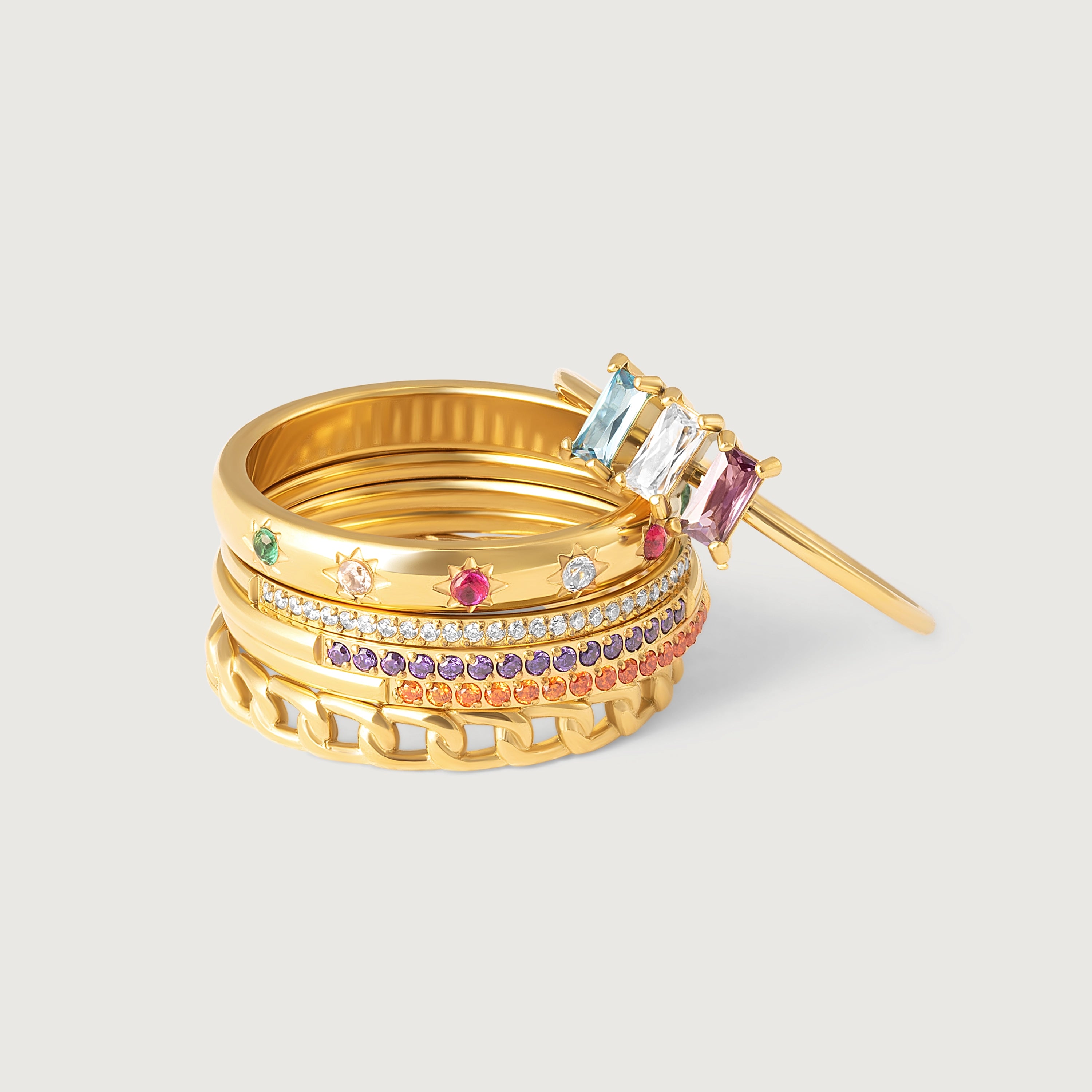
Inele versatile pentru degete sensibile
Inelele prezintă provocări unice pentru pielea sensibilă, deoarece sunt supuse la frecare și contact constant. Aceste modele pun prioritate pe suprafețe netede și construcție de calitate:


Inele versatile pentru degete sensibile
Inelele prezintă provocări unice pentru pielea sensibilă, deoarece sunt supuse la frecare și contact constant. Aceste modele pun prioritate pe suprafețe netede și construcție de calitate:
Cumpărături inteligente: Întrebări de pus înainte de a cumpăra
Înarmat cu toate aceste cunoștințe, ești gata să cumperi cu încredere. Iată cum să evaluezi articolele înainte de a le cumpăra.
Întrebări esențiale pentru vânzători
Nu vă fie rușine să puneți aceste întrebări. Orice vânzător care înțelege și respectă clienții cu pielea sensibilă le va primi cu brațele deschise:
- „Care este compoziția metalului de bază?” (Vreți răspunsuri specifice: oțel inoxidabil 316L, alamă fără nichel etc.)
- „Care este grosimea plăcii în microni?” (Rețineți că sunteți în căutarea a peste 2,5 microni)
- „Există un strat de barieră de nichel?” (Puncte bonus dacă știu despre ce vorbești și pot spune da)
- „Oferiți certificări hipoalergenice?” (Și dacă da, ce anume le face hipoalergenice?)
- „Care este politica dumneavoastră de returnare pentru reacții cutanate?” (Aceasta arată că s-au gândit la clienții cu pielea sensibilă)
Vânzătorii de calitate nu vor fi ofensați de aceste întrebări - vor fi bucuroși să le răspundă.
Decodificarea descrierilor produselor
Transparența în descrierile produselor este un semnal de alarmă. Când vezi detalii specifice - „placare cu aur de 18k pe bază din oțel inoxidabil 316L, grosimea plăcii de 2,5 microni, construcție fără nichel” - înseamnă că vânzătorul își cunoaște produsul și vrea să-l știi și tu.
Înțelegerea termenilor comuni din industria bijuteriilor vă ajută să evaluați descrierile:
- „Vermeil” (pronunțat ver-may) înseamnă placat cu aur peste argint sterling, cu cerințe specifice de grosime
- „Acoperirea PVD” este un tip de proces de placare care poate fi foarte durabil
- „Conform reglementărilor privind nichelul” ar trebui să însemne că respectă reglementările UE privind nichelul (eliberare foarte scăzută de nichel)
Căutați certificări care chiar înseamnă ceva. Conformitatea cu reglementările UE privind nichelul, testarea hipoalergenică sau certificările specifice ale materialelor (cum ar fi oțelul inoxidabil 316L) sunt substanțiale. Afirmații vagi despre „calitate premium” fără detalii specifice? Asta e marketing, nu informație.
Semnale de alarmă în marketing
În schimb, anumite expresii ar trebui să te facă să te oprești:
Limbajul vag precum „nu va irita pielea sensibilă” fără a explica de ce sau ce materiale sunt folosite este lipsit de sens. Oricine poate pretinde orice; ai nevoie de detalii specifice.
Lipsa completă a informațiilor despre materiale - descrieri care vorbesc pe larg despre stil, estetică, „atmosfera” piesei, dar nu menționează niciodată din ce este fabricată de fapt - sugerează că materialele nu merită evidențiate.
Prețurile care par prea bune ca să fie adevărate sunt de obicei adevărate. Materialele de calitate și fabricarea corectă costă bani. Dacă prețul este dramatic mai mic decât cel al pieselor comparabile de la alți vânzători, ceva este compromis și probabil este vorba de materialele cu care pielea ta intră în contact direct.
Lipsa mențiunilor privind metalele de bază sau specificațiile de placare în descrierile produselor dintr-un întreg magazin sugerează un vânzător care fie nu cunoaște, fie nu este interesat de aceste detalii. Niciuna dintre acestea nu inspiră încredere pentru pielea sensibilă.
Importanța vânzătorilor transparenți
Cele mai bune mărci pentru pielea sensibilă nu tolerează doar întrebări despre materiale - ele oferă în mod proactiv aceste informații pentru că înțeleg că sunt importante.
Recepția promptă a serviciului clienți este un indicator al calității. Un răspuns rapid și informat la întrebările despre materiale și construcție sugerează un vânzător care își cunoaște produsul și care este interesat de rezultatele pentru clienți. Răspunsurile lente, vagi sau defensive sugerează contrariul.
Căutați mărci cu conținut educațional pe site-urile lor web. Postările de blog despre îngrijirea bijuteriilor, ghidurile de materiale sau sfaturile pentru pielea sensibilă arată un vânzător care înțelege problemele cu care se confruntă clienții săi și dorește să ajute la rezolvarea lor, nu doar să realizeze o vânzare.
Politici și garanții de returnare
O perioadă de returnare rezonabilă (cel puțin 14-30 de zile) vă oferă timp să testați corespunzător bijuteriile. Unii vânzători menționează în mod specific politici care abordează reacțiile alergice - „dacă bijuteriile noastre provoacă o reacție, returnați-le pentru o rambursare completă” - ceea ce demonstrează că își susțin afirmațiile hipoalergenice.
Fii clar în ceea ce privește acoperirea de fapt a „garanției hipoalergenice”. Înseamnă o rambursare dacă reacționezi? Înseamnă că vor înlocui piesa? Înțelegerea acestui aspect înainte de cumpărare previne dezamăgirile ulterioare.
Găsirea bijuteriilor care ți se potrivesc
Pielea sensibilă nu înseamnă să te mulțumești cu alternative din plastic sau să eviți complet bijuteriile. Adevărul pe care industria bijuteriilor nu vrea întotdeauna să-l știi este acesta: mii de persoane cu alergii la nichel și diverse sensibilități poartă cu succes bijuterii frumoase placate cu aur în fiecare zi. Diferența constă în a ști la ce să fii atent.
Înarmată cu cunoștințe despre metalele de bază, grosimea placajului, straturile de protecție și îngrijirea adecvată, poți face alegeri încrezătoare. Înțelegi acum că întrebarea nu este „pot purta bijuterii placate cu aur?”, ci mai degrabă „ce bijuterii placate cu aur sunt făcute corespunzător pentru pielea sensibilă?”.
Ai răbdare în procesul de găsire a pieselor vestimentare sigure. Testarea necesită timp, construirea unei colecții se face treptat și ar putea exista unele încercări și erori. Acest lucru este normal și de așteptat. Fiecare piesă vestimentară pe care o descoperi că ți se potrivește este o victorie - o altă opțiune în rotația ta de articole vestimentare, o altă dimineață în care poți accesoriza fără anxietate.
Nu uita principiul calității mai presus de cantitate. O mică colecție de piese pe care le poți purta cu adevărat, care te fac să te simți încrezătoare și confortabilă, bate un sertar plin de bijuterii nepurtabile de fiecare dată. Acele cinci piese testate și de încredere pe care le cauți în mod repetat valorează infinit mai mult decât douăzeci de piese care stau neatinse pentru că ți-e frică să le porți.
Meriți bijuterii care arată frumos și sunt confortabile. Meriți să-ți exprimi stilul fără a alege între estetică și confort fizic. Și meriți vânzători transparenți în ceea ce privește materialele, care înțeleg problemele legate de pielea sensibilă și care creează produse având în vedere nevoile tale.
Pielea ta sensibilă nu este problema - bijuteriile prost făcute sunt. Acum știi diferența, iar această cunoaștere este puterea ta ca și cumpărător. Alege cu înțelepciune, testează cu atenție, îngrijește-te corespunzător și bucură-te de construirea unei colecții care ți se potrivește cu adevărat.
Descoperă bijuterii create pentru pielea sensibilă
La Kaleya Studio, fiecare piesă este realizată din materiale hipoalergenice și testată riguros pentru a ne asigura că este cu adevărat sigură pentru pielea sensibilă. Credem că transparența nu este opțională - este esențială.
Explorează colecția noastră completă de bijuterii impermeabile , concepută cu materiale fără nichel și cu o construcție de calitate care îți protejează pielea, ținând în același timp pasul cu stilul tău de viață activ.
Cumpărături după categorie:
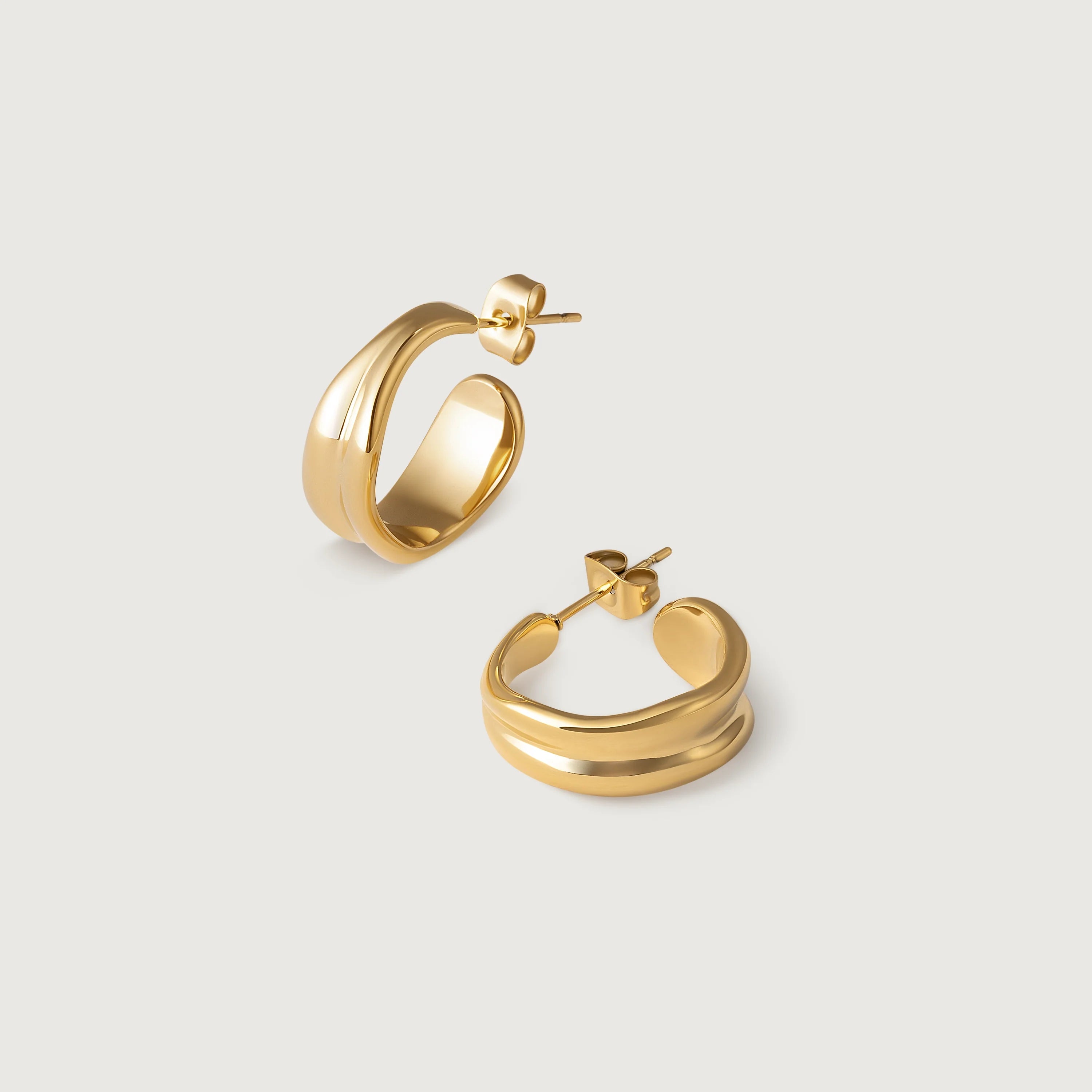
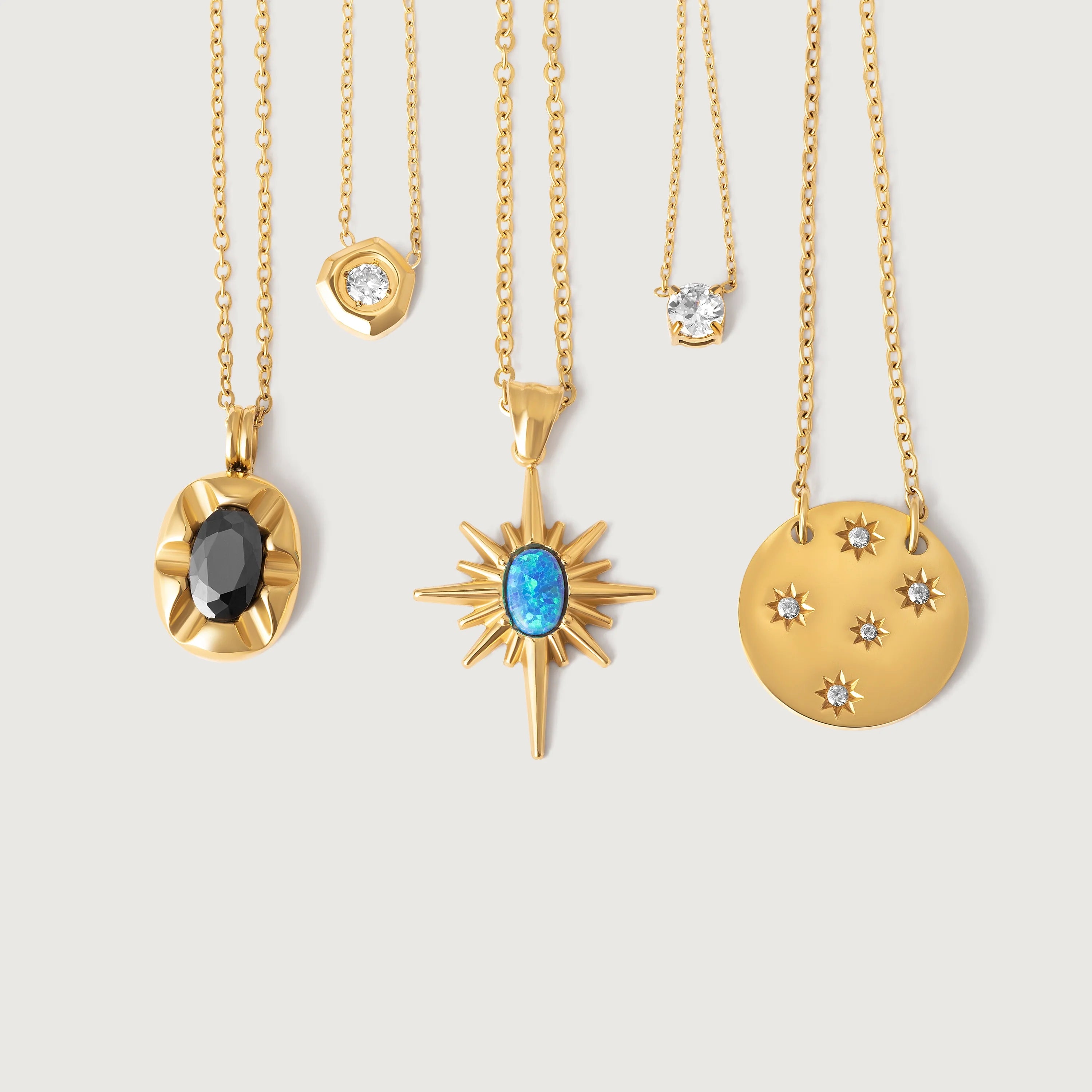
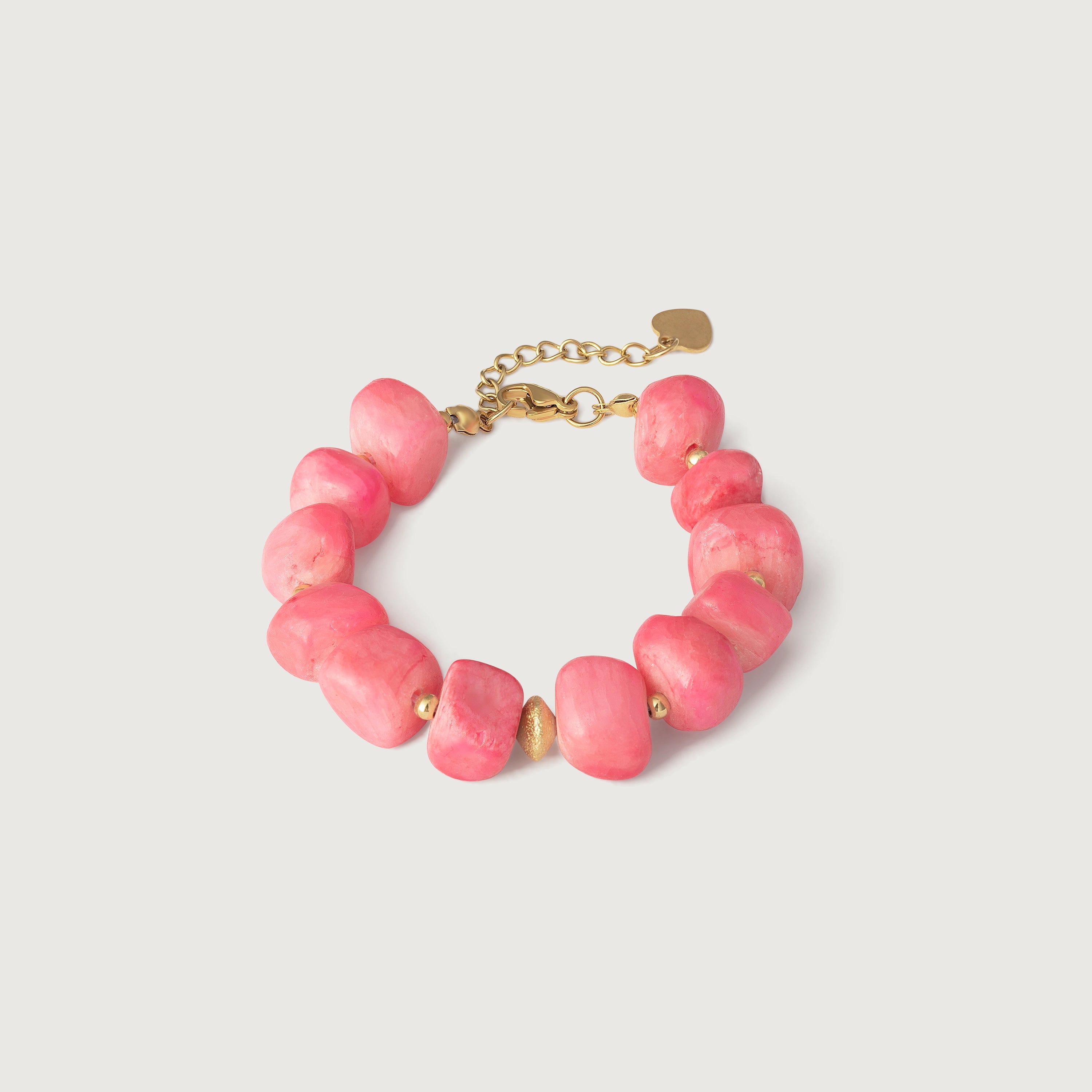
Cercei impermeabili | Coliere impermeabile | Inele impermeabile | Brățări impermeabile
Ai întrebări despre ce bijuterii sunt potrivite pentru pielea ta sensibilă? Suntem aici pentru a te ajuta să găsești bijuteriile care ți se potrivesc.