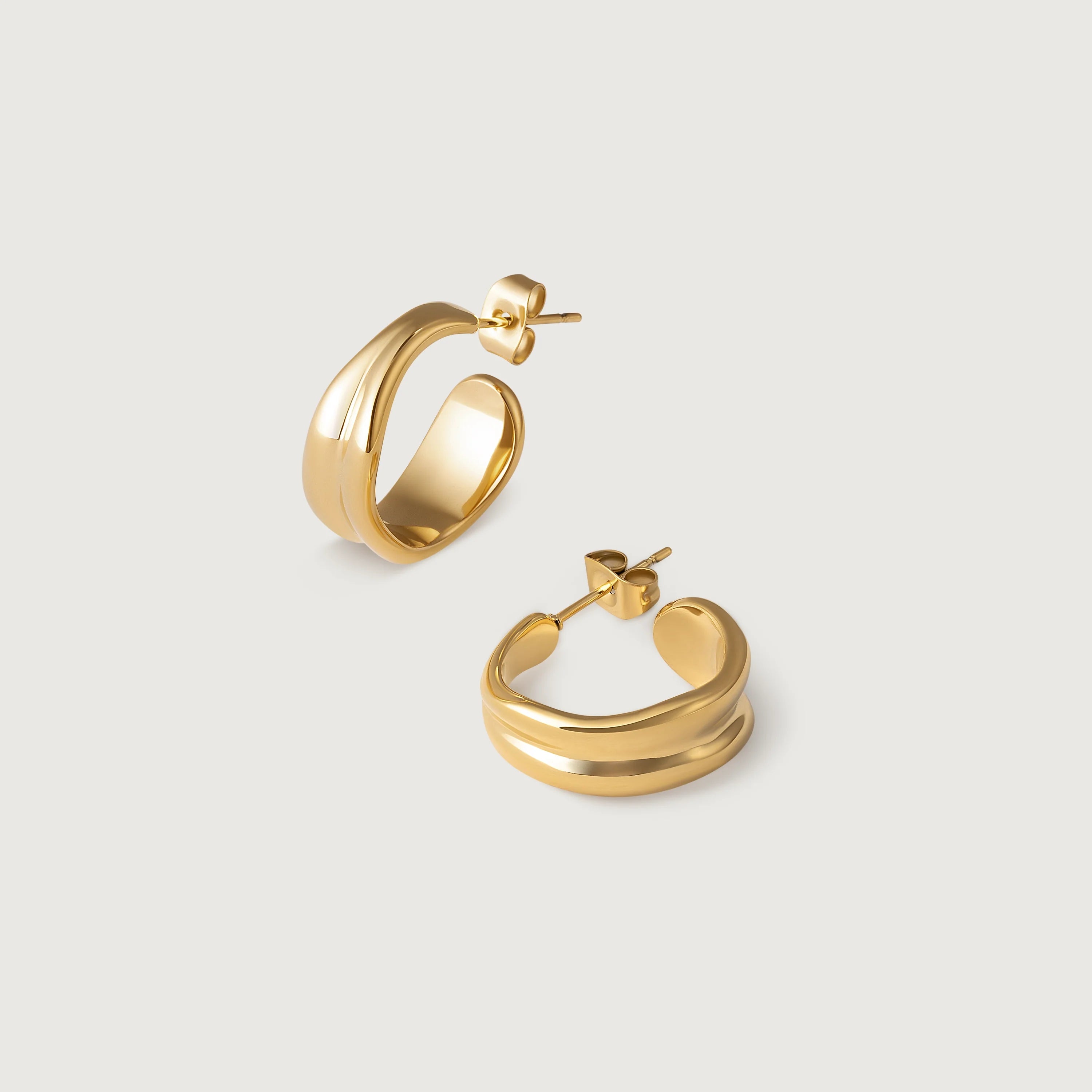
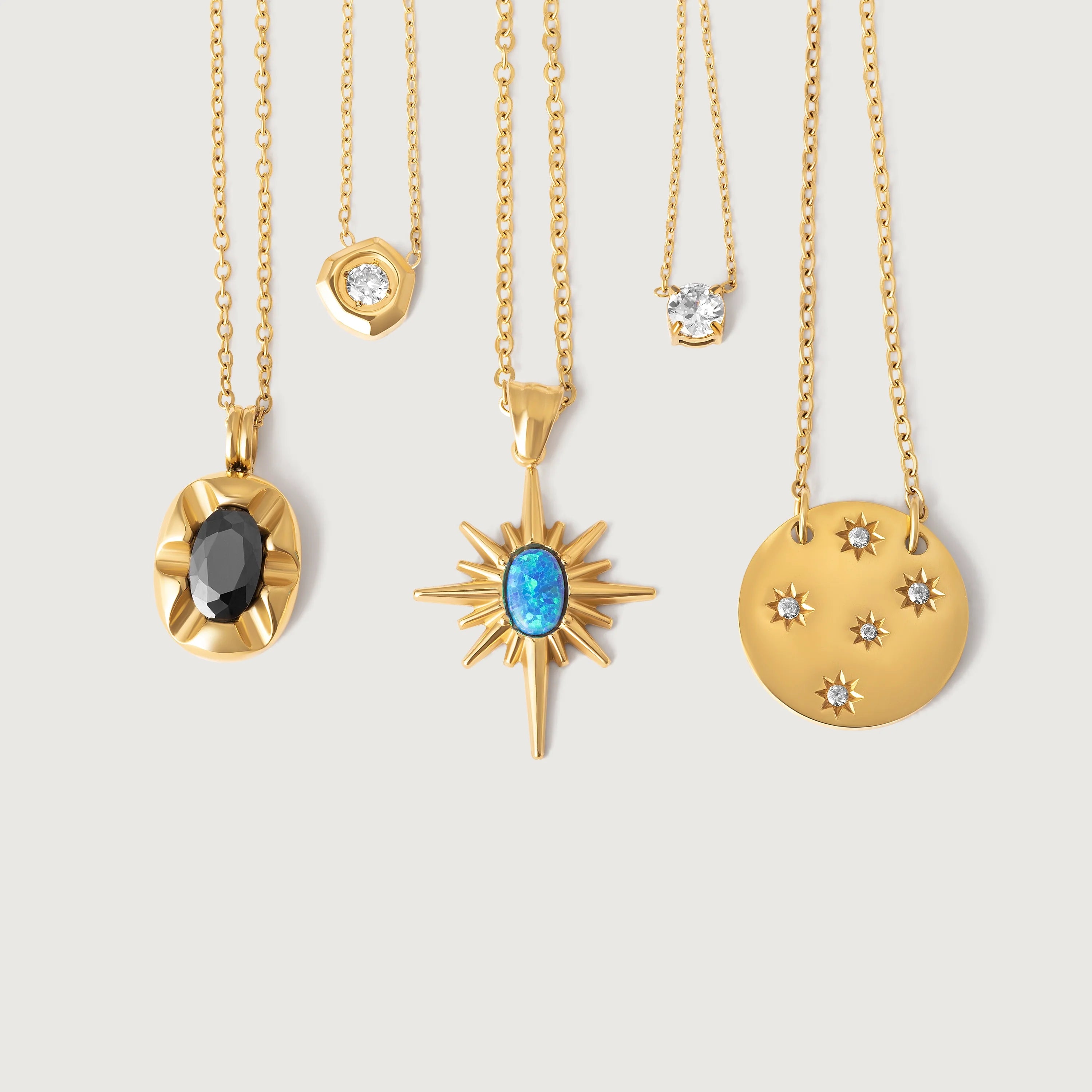
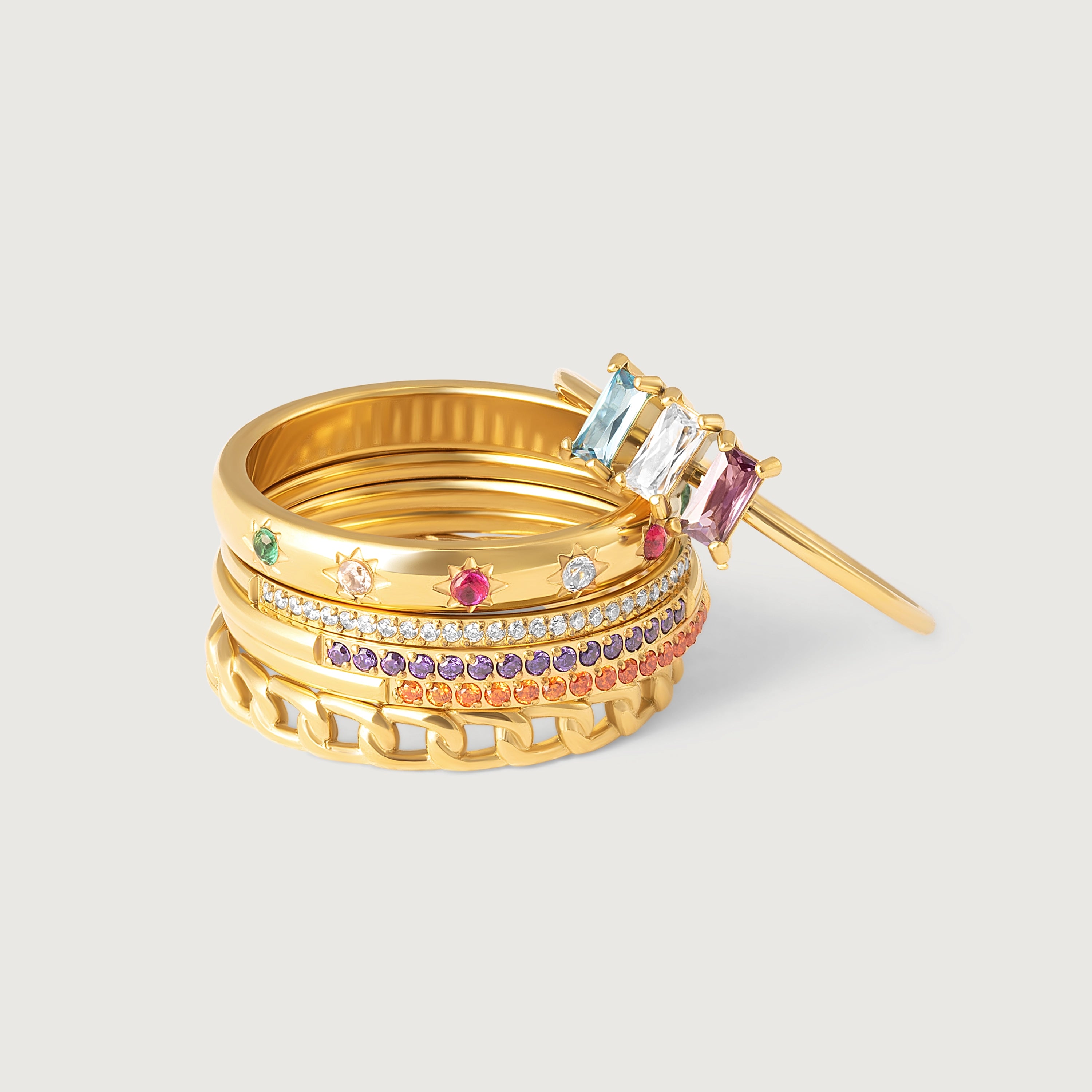
What to look for in materials, sizing, and backs — and why the right pair means never taking your earrings off again
 Ask anyone who wears jewellery daily and they'll tell you the same thing: the piece they reach for most isn't a statement necklace or a bold ring. It's a pair of studs. Small, unassuming, easy to forget you're wearing — and that's exactly the point.
Stud earrings are the only earring style that works everywhere without compromise. Office meetings, morning workouts, sleeping on your side at 2am, showering after the gym. Studs handle all of it without snagging on your hair, swinging into your food, or weighing down your lobes by lunchtime. They're the starting point of any earring collection, the foundation piece that makes everything else work, and the first thing most people put in when they're building a stacked ear.
So why is it so hard to find a pair that actually lasts?
If you've ever bought stud earrings that looked beautiful on day one and left your ears red, itchy, or irritated by day three, you already know the answer. The problem isn't studs as a concept — it's that most studs are made from materials that fail the moment they meet real life. This guide is about finding the pair that doesn't.
Studs vs hoops? If you're trying to decide between the two, they're not competing — they serve different purposes. Studs are your everyday default; hoops are for when you want more visual impact. Our hoop earrings guide breaks down when each works best.
Why Most Stud Earrings Irritate Your Ears
Here's what's actually happening when your ears react to stud earrings: the culprit is almost always nickel. It's a cheap, common metal used in brass, costume jewellery alloys, and underneath the gold plating on many fashion earrings. Nickel allergy affects roughly 8–19% of adults in Europe, with higher rates in women, making it one of the most common causes of contact dermatitis from jewellery.
The reason studs cause more problems than other earring styles comes down to contact time. The metal post sits through your ear for hours, sometimes all day, sometimes overnight. That's prolonged, direct skin-to-metal contact in one of the most reactive areas on your body. If there's nickel in that post, you're going to feel it.
Even earrings marketed as "gold plated" can be hiding nickel underneath. The plating might look fine at first, but posts endure constant friction every time you push them in, adjust them, or sleep on them. Eventually the coating wears through, and once the base metal is exposed against your skin, the reaction kicks in. That's why gold plated earrings might feel fine for a week then suddenly cause irritation. The green skin problem works the same way: it's the metal underneath reacting, not the gold.
Check the post, not just the front. When shopping for studs, most people focus on the decorative face and ignore what the actual post is made from. That's the bit going through your ear, and it's the part most likely to trigger a reaction. UK and EU REACH regulations limit nickel release in earring posts to less than 0.2 μg/cm² per week, but plenty of fast-fashion earrings don't meet this standard.
So what materials actually work? Here's how the most common options compare:
| Material | Nickel-Free | Waterproof | Tarnish-Resistant | Best For |
|---|---|---|---|---|
| Brass / cheap alloy | ❌ Often contains nickel | ❌ | ❌ | Avoid if sensitive |
| Gold plated (brass base) | ❌ Risk when plating wears | ❌ | ❌ Plating fades | Short-term wear |
| Sterling silver (925) | ✅ Usually | ❌ Tarnishes | ❌ Needs polishing | Occasional wear |
| 316L stainless steel + PVD | ✅ Nickel-free | ✅ Fully waterproof | ✅ Years of wear | Everyday, active, sensitive skin |
| Titanium | ✅ Biocompatible | ✅ | ✅ | Extreme sensitivity |
| Solid gold (14k+) | ✅ Usually | Mostly | ✅ | Investment pieces |
The sweet spot for most people is 316L surgical-grade stainless steel with PVD coating. It's hypoallergenic like titanium, fully waterproof unlike sterling silver, and costs a fraction of solid gold. PVD (Physical Vapour Deposition) bonds at a molecular level rather than sitting on top like traditional plating, so it doesn't wear through with daily use. At Kaleya Studio, our gold stud earrings and silver stud earrings are all built on this foundation, tested in real conditions: gyms, pools, showers, and long days where taking jewellery off isn't an option. For a deeper look at how different base metals affect quality, our base metals guide covers this in detail.
How to Choose the Right Stud Earrings
Once you've sorted the material question, there are really only three decisions left: size, back type, and metal colour. None of them need to be complicated.
Size: Finding the Goldilocks Zone
Subtle and workplace-safe. Comfortable for sleeping. Perfect as second or third lobe studs in a stack.
Visible without being loud. Works solo or as the anchor in a curated ear. The best all-rounder for daily wear.
Statement territory. Great for a night out or when studs are your only earring. Catches light beautifully.
If you're choosing one pair for everyday wear, aim for the 5–7mm range. That's large enough to look intentional (people will notice you're wearing earrings) but small enough to forget about during a workout or a long day at your desk. Stud earrings size matters most when you're building an ear stack across multiple piercings, where you want a clear hierarchy from larger on the lobe to smaller as you go up.
Earring Backs: The Part Nobody Talks About
The back of your earring matters just as much as the front, and almost no earring guide covers this. Here's what you actually need to know:
Butterfly (scroll) backs are the most common. They work fine for everyday wear but can loosen over time, especially if you're putting earrings in and taking them out frequently. If your studs keep falling out, worn-out butterfly backs are almost always the reason.
Push-back (friction) backs offer a more secure hold with a lower profile. They're good for sleeping because there's less material pressing into the skin behind your ear.
Flat backs (labret style) are the 2026 trend worth paying attention to. The back sits completely flush against your ear, making them by far the most comfortable option for side sleepers and people who wear earrings around the clock. They're also popular for multiple piercings because they don't interfere with earrings above or below them.
The practical test: A gorgeous stud with a cheap, loose back is a stud you'll lose at the gym. If you're buying earrings for active daily wear, prioritise a secure back type over the decorative front — you'll thank yourself later.
Gold or Silver? (Hint: It Doesn't Matter as Much as You Think)
The old advice about matching metal colour to your skin tone isn't wrong, exactly. Warm tones often do look beautiful in gold, and cooler complexions can shine in silver. But it's also not a rule anyone needs to follow in 2026. The mixed-metals movement has made it completely acceptable to wear gold studs with a silver necklace, or the other way around. If anything, the contrast looks more intentional than matchy-matchy sets.
If you're picking just one pair, gold stud earrings are currently the more versatile choice. They pair well with most jewellery and have a warmth that works across seasons. Silver stud earrings offer a cooler, more modern feel that's especially strong with minimalist styling. Browse gold earrings or silver earrings to see both, and our mixing metals guide explains why you don't need to choose.
Studs for Every Scenario
A well-chosen pair of studs adapts to your day without you thinking about it. But different moments call for slightly different approaches.
Everyday and work: Simple ball studs or small geometric shapes. Clean, professional, forgettable in the best possible way. The pair you put in on Monday morning and don't think about until Friday. Something that complements every outfit without competing with it.
Gym and active wear: This is where material matters more than style. Sweat, friction from headphones, and the post-workout shower are where cheap studs fall apart, literally. Anything with traditional plating will degrade faster under these conditions. Waterproof studs in surgical-grade steel are purpose-built for this scenario. Put them in before your warm-up and forget about them through the cool-down shower.
Stacking and ear curation: Studs are the foundation of any layered ear. The most common approach is to place your boldest stud on the first lobe, then layer smaller studs or huggie hoops on the upper piercings. Mixing textures adds depth: a smooth ball stud alongside a textured or CZ-set piece. Vary size and detail rather than just adding more of the same.
Night out: Slightly larger studs (8–10mm) or pieces with stone accents earn their place here. A statement stud catches light without swinging, won't tangle in your hair, and won't clash with a high neckline or elaborate hairstyle. One bold stud can do the work of a much more complicated earring.
Sleep: If you want earrings you never remove, comfort is everything. Flat-back studs or small ball studs under 5mm work best for overnight wear. Avoid anything with a protruding butterfly back, as it will dig into the skin behind your ear and leave you with that familiar sore spot by morning. The material needs to be skin-safe for 24/7 contact, which means surgical-grade steel, titanium, or solid gold.
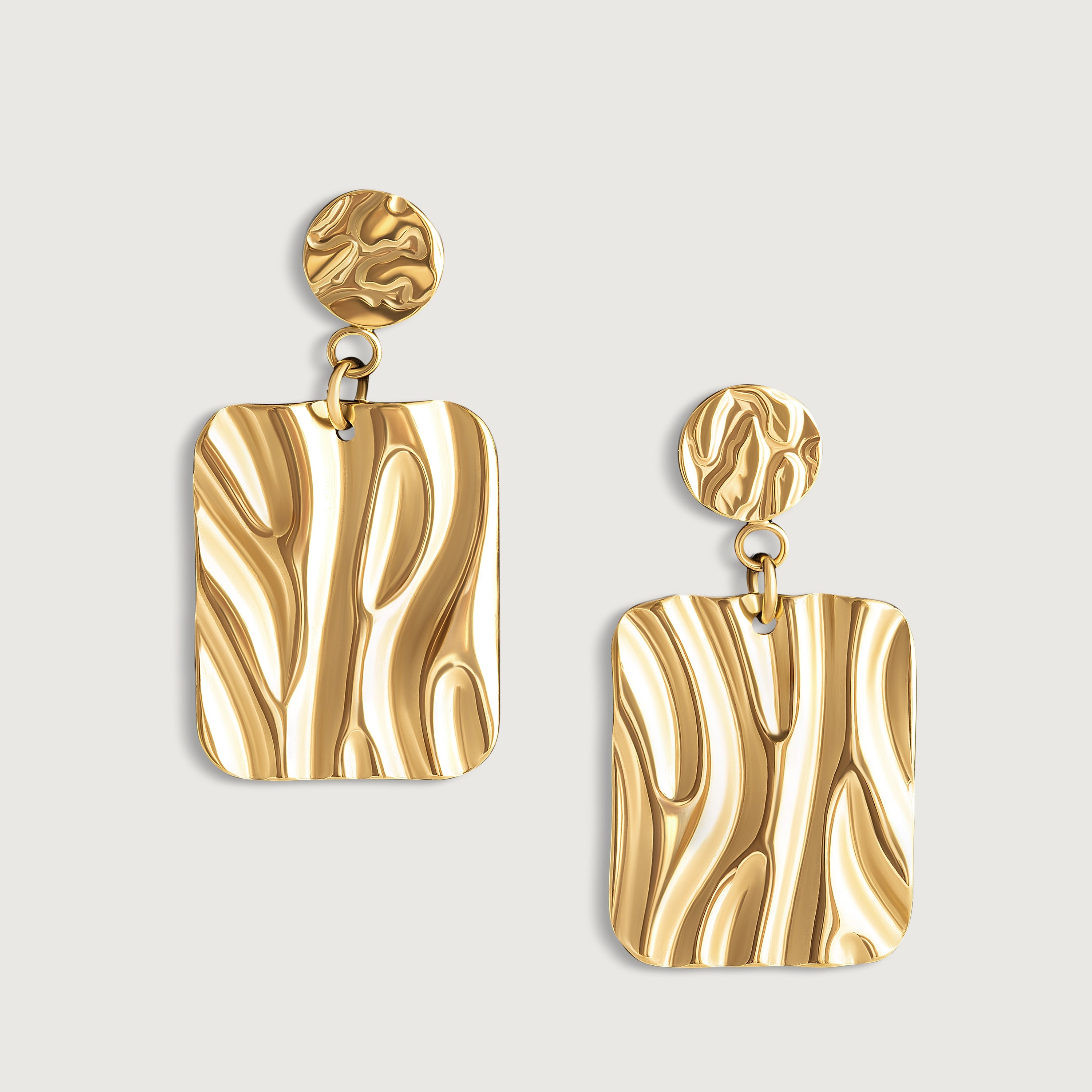
Stud Earrings Built for Real Life
Crafted from 316L stainless steel with PVD coating. Waterproof, hypoallergenic, and built for the earrings-stay-in lifestyle.


Caring for Your Stud Earrings
Studs are low-maintenance by nature, but they're not no-maintenance. The metal post spends hours pressed against skin, and over time, bacteria, dead skin cells, and product residue accumulate around it. This buildup can cause irritation even with skin-safe materials if you never clean them. The fix takes about 30 seconds.
Once a week, clean your studs with warm water and a drop of mild soap, rubbed gently with a soft cloth. Pay attention to the post and the back, not just the decorative front. Rinse thoroughly and dry completely before putting them back in. If your studs are waterproof, you can simplify this further: just clean them while they're still in your ears during your daily shower.
Storage tip: If you rotate between multiple pairs, store studs in individual compartments or small pouches. Tossing them loose in a jewellery dish is how they get scratched and how you lose backs. A small earring organiser — even a simple pill case — keeps pairs together and protected.
For detailed care instructions across different jewellery types, our jewellery care guide covers everything from cleaning to long-term storage.
Frequently Asked Questions
Can I sleep in stud earrings?
Yes, as long as you choose the right style. Small ball studs or flat-back designs work best because they sit flush against the ear with nothing to dig into your skin overnight. Butterfly backs tend to create pressure points for side sleepers, so avoid those if you plan to keep them in. Stick to hypoallergenic materials like surgical-grade steel, titanium, or solid gold for round-the-clock wear.
What are the best stud earrings for sensitive ears?
The safest options are 316L surgical-grade stainless steel, titanium, and solid gold (14k or higher). All three are nickel-free, which matters because nickel is the most common cause of earring reactions. Pay special attention to what the post is made from, not just the decorative front, since that's where prolonged skin contact happens. Avoid anything made from brass, unspecified alloys, or any earring that doesn't clearly state its base metal. If reactions have been a recurring problem, our sensitive skin guide goes deeper on materials and testing.
Can I shower in my stud earrings?
Whether you can shower in stud earrings depends on the material. Sterling silver tarnishes with repeated water and soap exposure, and standard gold plating wears away faster when wet. If you want to shower in your stud earrings without thinking about it, you need materials specifically engineered to be waterproof, like stainless steel with PVD coating. These can handle showers, pools, and sweat without damage. If the brand doesn't explicitly say "waterproof," assume you should take them out.
What size stud earrings should I get?
For a do-everything daily pair, 5–7mm hits the sweet spot: visible enough to look intentional, small enough to stay comfortable all day. Choose 3–5mm if you're stacking studs across multiple piercings, especially for the upper positions. For events or nights out where you want more impact, 8–12mm studs make a statement without the weight and movement of drop earrings.
Are stud earrings better than hoops for everyday wear?
For practical purposes, studs win. They don't catch on clothing, scarves, or hair. They put less stress on the lobe, which means less stretching over time. And they're far more comfortable for sleeping. Where hoops have the edge is visual impact: they add movement and frame the face in a way studs can't. The sweet spot for most people is studs as the daily default, with hoops for when they want to dress things up.
How do I clean stud earrings?
A drop of mild soap in warm water, rubbed gently with a soft cloth. Give the post and back extra attention since that's where oil and bacteria collect. Rinse and dry completely. Waterproof studs can be cleaned while you're wearing them in the shower, which makes the whole process effortless. Silver studs need a polishing cloth every couple of weeks to prevent tarnish. If you wear studs daily, clean them at least once a week.
Find Studs You'll Never Want to Take Off
316L stainless steel. PVD coated. Waterproof and hypoallergenic. Tested in gyms, pools, and showers so you don't have to worry about a thing.
Shop Stud Earrings Waterproof Earrings